
Connected Care for High Risk Chronic Patients

(Connected Care for High Risk Chronic Patients) High risk chronic patients can experience important changes between scheduled clinical visits. Blood pressure, glucose levels, symptoms, medication adherence, and other factors can change quickly. For healthcare organizations, the challenge extends beyond understanding a patient’s condition during appointments. Teams also need visibility into what happens between encounters. This […]
RPM Clinical Use Cases That Drive 2026 Value

The 2026 RPM reimbursement changes create new opportunities for organizations managing patients beyond traditional visit schedules. CPT 99445 addresses device supply and data transmission when monitoring occurs for two through fifteen days. CPT 99470 addresses treatment management when monthly clinical time falls between ten and nineteen minutes. These changes do not create disease specific reimbursement […]
RPM Billing 2026: Greater Reimbursement Flexibility

Remote Patient Monitoring (RPM) has evolved from an emerging innovation into an essential component of modern healthcare delivery. Healthcare organizations increasingly depend on continuous patient monitoring to improve chronic disease management, strengthen care coordination, and support Value Based Care initiatives. However, reimbursement policies have not always reflected the realities of daily clinical practice. As patient […]
Behavioral Health Beyond Awareness

Behavioral Health disparities remain one of the greatest challenges facing healthcare organizations across the United States. National Minority Mental Health Awareness Month highlights the importance of recognizing these inequities. However, awareness alone does not improve access, strengthen care coordination, or reduce treatment gaps. According to the Substance Abuse and Mental Health Services Administration (SAMHSA) , millions of […]
Rural Health Through Connected Care

Rural Health is entering a defining moment across the United States. Distance remains an important barrier, yet it is no longer the greatest challenge facing rural healthcare organizations. Today, financial pressure, workforce shortages, aging populations, and increasing chronic disease prevalence threaten the long term sustainability of hospitals, Rural Health Clinics, Critical Access Hospitals, and community […]
Chronic Care Beyond Virtual Visits

Chronic Care Management does not occur during a single appointment. Diabetes, hypertension, heart failure, and other chronic conditions evolve between clinical encounters. The California Telehealth Resource Center (CTRC) recently highlighted this reality in its article discussing virtual first pathways for chronic disease management. According to the CTRC, successful care depends on thousands of daily patient […]
Patient Engagement Drives Virtual Care Success
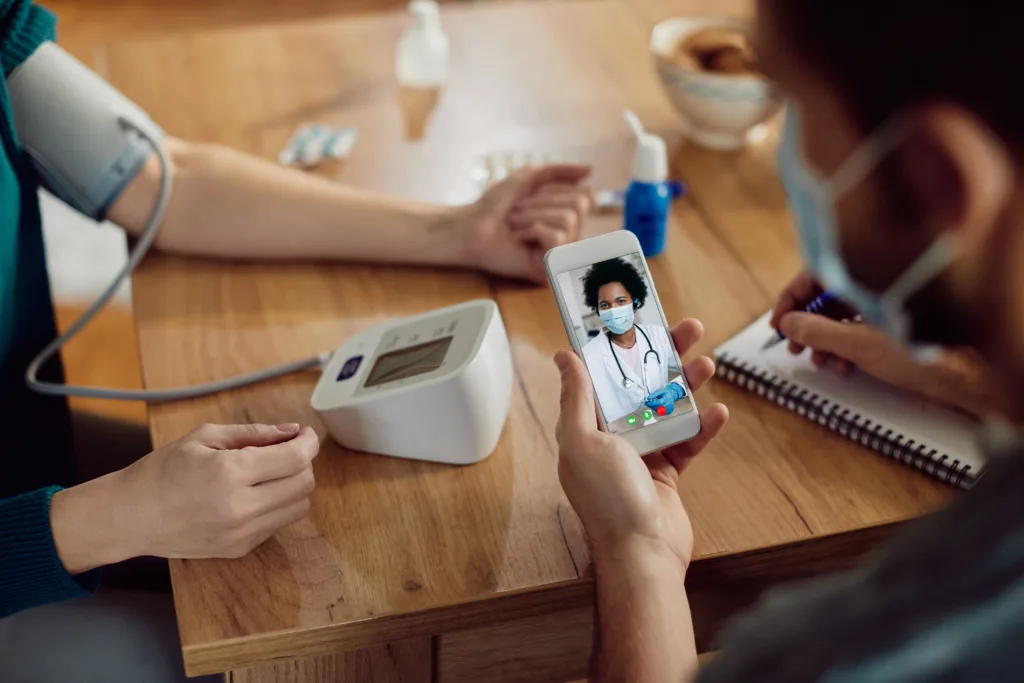
Healthcare organizations have invested heavily in telehealth and remote monitoring. Access to virtual care has expanded significantly across hospitals and clinics. However, technology adoption alone does not guarantee long-term success. According to the Agency for Healthcare Research and Quality, patient engagement remains a critical factor influencing care quality. It is widely recognized as a cornerstone of […]
RPM Workflows Reduce Clinician Burnout

Healthcare organizations face a severe operational crisis today. Administrative tasks consume a growing portion of clinician time every single day. According to the American Medical Association, physicians spend 49% of their workday on EHR tasks and desk work. They spend only 27% on direct patient interaction. This imbalance drives exhaustion, frustration, and low job satisfaction nationwide. […]
RPM and CCM Drive Sustainable Practice Growth

Healthcare practices face growing operational pressure across the United States. Rising labor costs, administrative complexity, and workforce shortages continue affecting financial stability. According to the American Medical Association, many independent practices struggle with increasing overhead expenses. Additionally, reimbursement models keep shifting toward performance-based outcomes. Therefore, relying exclusively on fee-for-service revenue is becoming increasingly difficult. Many practices […]
Value-Based RPM Drives Outcomes and Revenue

Value-based performance frameworks are replacing traditional volume-driven models across healthcare systems. Providers are now evaluated using clinical outcomes, patient experience, and cost efficiency metrics. This shift is redefining how care is delivered and measured. However, many RPM programs remain focused only on monitoring vital signs. As a result, they fail to impact broader performance indicators. […]