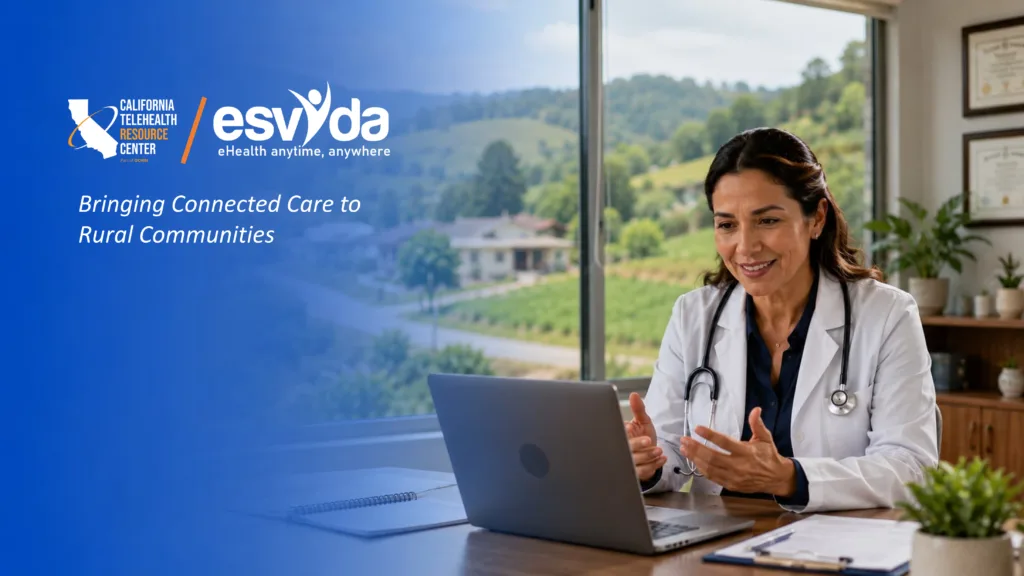
Rural Health is entering a defining moment across the United States. Distance remains an important barrier, yet it is no longer the greatest challenge facing rural healthcare organizations. Today, financial pressure, workforce shortages, aging populations, and increasing chronic disease prevalence threaten the long term sustainability of hospitals, Rural Health Clinics, Critical Access Hospitals, and community providers. According to the Health Resources and Services Administration (HRSA) , many rural communities continue experiencing provider shortages while demand for chronic disease management steadily increases. Meanwhile, healthcare organizations must deliver higher quality care using limited clinical and financial resources. Consequently, leaders are searching for care models that improve access without increasing operational complexity.
Connected Care Creates Sustainable Rural Health Systems
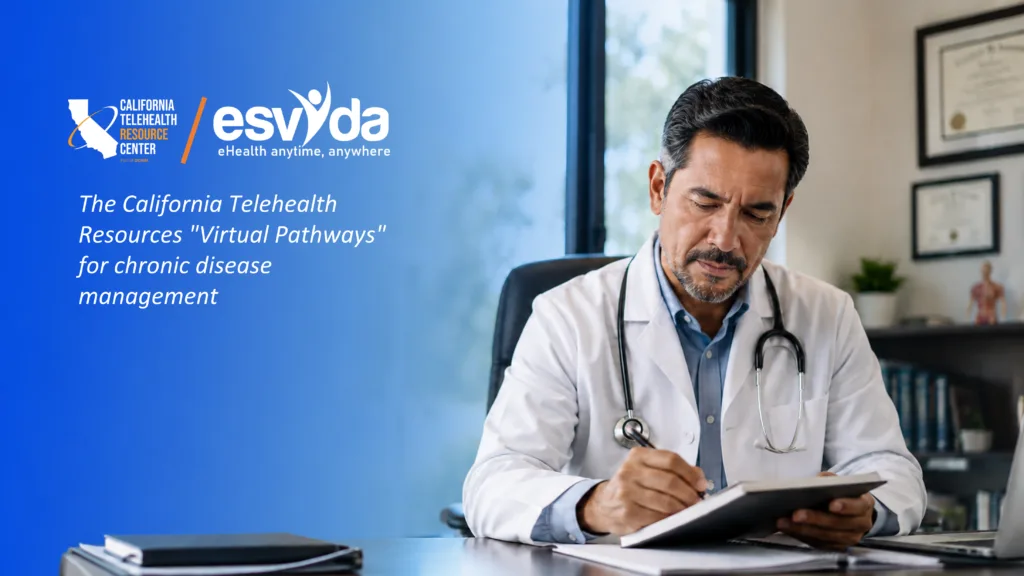
Traditional healthcare models were designed around face to face encounters. However, chronic diseases rarely progress according to appointment schedules. The California Telehealth Resource Center (CTRC) recently emphasized that sustainable chronic care depends on continuous engagement rather than isolated clinical visits. The CTRC notes that “a virtual-first pathway reduces friction through fewer missed visits, faster coaching, earlier escalation, and better alignment between patient goals and care plans”.
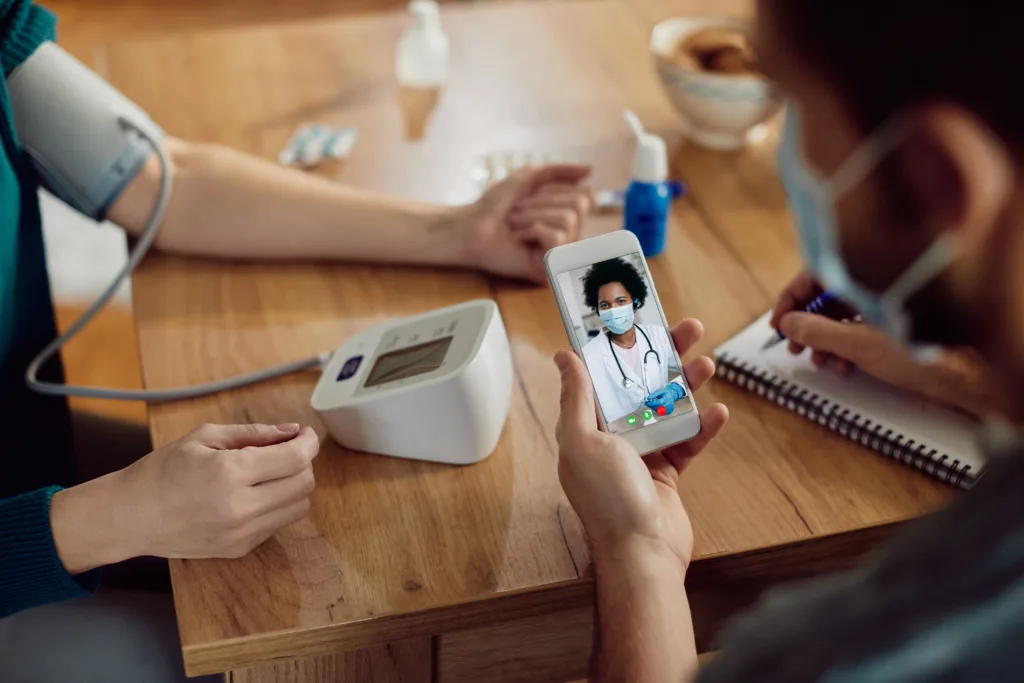
These challenges are well-documented by federal agencies such as CMS and HRSA, which have identified workforce shortages, transportation barriers, and fragmented follow-up as persistent obstacles across rural healthcare systems. Therefore, healthcare organizations increasingly require connected ecosystems that integrate Remote Patient Monitoring, Chronic Care Management, Population Health Management, analytics, and care coordination into daily operations. Rather than adding technology, successful organizations build repeatable workflows that support clinicians, improve patient engagement, strengthen operational resilience, and create financially sustainable care models for long term growth.
Rural Health Requires Operational Infrastructure
Technology alone cannot transform Rural Health. Sustainable progress depends on building operational infrastructure that supports continuous care across multiple settings. The California Telehealth Resource Center emphasizes that successful remote care programs rely on repeatable workflows rather than isolated technology deployments. Healthcare organizations should prioritize several foundational capabilities:
- Remote Patient Monitoring integrated with daily clinical workflows.
- Chronic Care Management supporting long term patient engagement.
- Population Health Management that identifies high risk populations proactively.
- Automated workflows reducing repetitive administrative tasks.
- Automated claims generation supporting value based reimbursement programs.
- Seamless EHR integration improving interoperability and documentation.
- Analytics that measure quality, adherence, and operational performance.
According to the Agency for Healthcare Research and Quality (AHRQ) , coordinated care and continuity improve both patient experience and clinical performance. The Office of the National Coordinator for Health IT (ONC) also highlights interoperability as critical for nationwide data exchange. Together, these capabilities create a connected ecosystem where clinicians receive meaningful insights instead of fragmented information. Consequently, organizations improve scalability, strengthen care coordination, and reduce unnecessary operational burden while preparing for future healthcare delivery models.
Financial Sustainability
Clinical innovation alone cannot sustain rural healthcare organizations. Financial sustainability has become equally important as patient outcomes. According to the American Hospital Association and other industry analyses, rural hospitals continue operating under significant reimbursement pressure while managing increasing numbers of patients with chronic diseases. According to CMS , value based care programs increasingly reward organizations that improve quality while reducing unnecessary utilization. Therefore, continuous monitoring, coordinated care, and proactive interventions create both clinical and operational value. Research published in the Journal of Medical Internet Research (JMIR) confirms that RPM programs improve clinical outcomes, medication adherence, and patient satisfaction for chronic disease populations. Organizations implementing RPM and CCM establish recurring reimbursement opportunities while reducing avoidable emergency visits and hospital readmissions.
Additionally, automated documentation and claims generation simplify administrative processes and improve revenue predictability. Consequently, digital health becomes more than a clinical initiative. It becomes a long term financial strategy supporting organizational resilience, workforce stability, and sustainable growth across rural healthcare systems.
Needs Strategic Technology Partners
Rural Health organizations require more than isolated digital solutions. They need strategic technology partners capable of supporting long term transformation across clinical, operational, and financial dimensions. Esvyda delivers an integrated platform designed specifically for modern healthcare organizations seeking sustainable growth. The platform combines Remote Patient Monitoring, Chronic Care Management, Population Health Management, and advanced analytics within a single ecosystem.
Rural Health Hub

Furthermore, seamless EHR integration eliminates fragmented workflows while improving clinical visibility across patient populations. Automated claims generation simplifies reimbursement for value based programs, creating sustainable revenue opportunities over the short, medium, and long term. Additionally, Esvyda’s bilingual, secure, and compliant platform improves patient engagement across diverse communities. Intelligent alerts, automated workflows, and coordinated care tools enable clinical teams to focus on patients requiring immediate attention. Consequently, organizations improve operational efficiency while strengthening care continuity, workforce productivity, and long term financial sustainability.
Rural Health Will Be Defined by Connected Care
The future of Rural Health will not depend solely on expanding facilities or recruiting additional clinicians. Instead, success will depend on building connected healthcare ecosystems capable of delivering continuous, coordinated, and data driven care. Organizations that invest today in interoperability, Population Health Management, care coordination, and automated workflows will be better prepared for tomorrow’s healthcare challenges. Moreover, connected care models improve access, strengthen operational resilience, and support sustainable participation in value based programs. The California Telehealth Resource Center provides a practical framework for designing these models.
Esvyda transforms that framework into measurable operational results through integrated technology, intelligent automation, and scalable infrastructure. Healthcare organizations adopting this approach are better positioned to improve clinical outcomes, increase patient satisfaction, optimize value based performance, and deliver equitable care regardless of geography. Rural Health is no longer limited by distance. It is empowered by connected care.
Download this artice
Rural Health Through Connected Care
Rural Health depends on connected care, RPM, CCM, and interoperable technology that improves access, sustainability, and patient outcomes. Esvyda transforms that framework into measurable operational results through integrated technology, intelligent automation, and scalable infrastructure.
Click Here