
Hispanic Physicians Bridging Culture in U.S. Health

Hispanic Physicians are a critical yet underrepresented force in U.S. medicine. Although Hispanics account for nearly 19 % of the U.S. population, fewer than 7 % of physicians identify as Hispanic. This stark disparity highlights a systemic gap in representation. When patients rarely meet providers who share their language or culture, trust and access suffer. […]
Telemental Health in Hispanic Communities

Telemental Health can address deep cultural stigma that Hispanic individuals often face. Many avoid discussing depression, anxiety, or stress due to fear of social judgment or harming family reputation. Studies show Latino adults often view mental illness as a sign of weakness or spiritual failure.Furthermore, many Hispanic adults worry about confidentiality and trust, fearing diagnosis […]
RPM for Hispanic Seniors’ Health Care

Remote Patient Monitoring addresses common barriers to in-person care among Hispanic seniors. Many face transportation issues, long waits, or rural isolation. A national analysis found over 21 % of adults lacking vehicle or transit access skipped needed care due to transportation problems, disproportionately affecting Hispanic adults. These obstacles are worse in rural areas where seniors may […]
Transforming Hypertension Management with RPM Habits
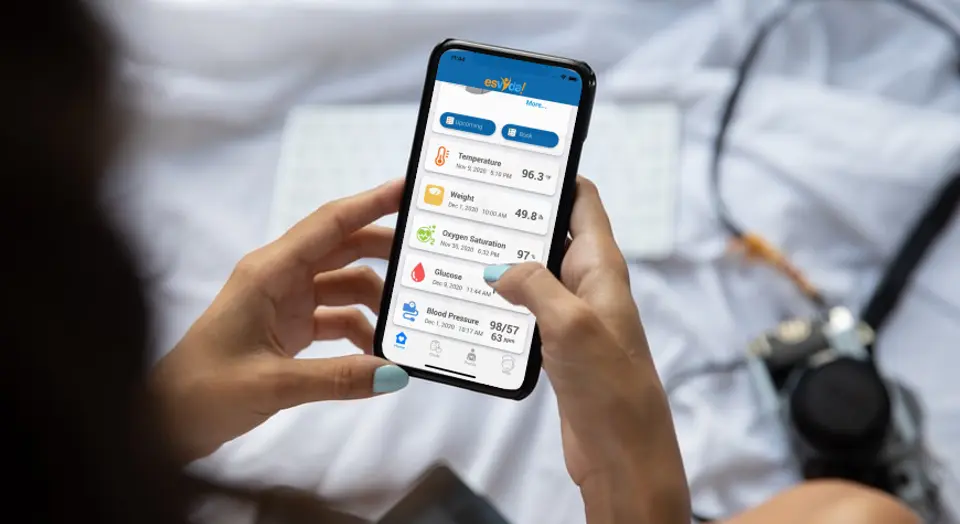
Remote Patient Monitoring (RPM) promises a revolution in hypertension management. It offers a window into a patient’s daily health, moving beyond the sporadic “white coat syndrome” readings in a clinic. But what happens when that window is foggy? For many providers, the frustration is real, they’ve deployed cutting-edge devices and programs, only to receive inconsistent, […]
RPM in Cardiovascular Disease Management

Cardiovascular disease (CVD) remains the leading cause of death in the U.S., claiming approximately 919,032 lives in 2023. Hospitalizations and acute care significantly strain healthcare budgets, with costs around $417.9 billion (2020–2021). Early and continuous management can reduce these burdens. RPM delivers vital clinical data to providers in real time, enabling proactive intervention. In the […]
RPM Revenue: Boost Billing & Financial Sustainability

In the context of RPM revenue, many healthcare practices often struggle with unpredictable revenue due to fragmented visit-based billing. Complex documentation, extended billing cycles, and denial appeals amplify overhead and strain administrative teams. Clinics face delayed revenue, reducing financial flexibility and compromising care investment decisions. Additionally, providers balancing chronic care needs lack consistent streams outside […]
Data Security Essential Strategies for RPM Platform

Remote Patient Monitoring (RPM) platforms manage confidential information, making Data Security a fundamental pillar in their infrastructure and design strategies. Over 90% of healthcare breaches involve patient records, costing $10.1M per incident, highlighting the urgent need for stronger Data Security practices. Robust protection is no longer optional, it’s essential for compliance, patient trust, and the […]
Digital Health for Tribal Communities TraditionTech

For generations, tribal communities have preserved profound wisdom in physical, emotional, and spiritual wellness. However, many Indigenous families today—especially in rural or remote areas—face significant barriers to accessing quality healthcare. These include geographic isolation, limited infrastructure, and cultural misalignment with Western medical systems. Fortunately, digital health offers transformative potential to bridge these gaps, provided that […]
Billing Efficiency: RPM+EHR Integration for Clinics

Billing efficiency begins by minimizing the administrative burden caused by manual processes and inadequate documentation in healthcare environments. For example, the Medical Group Management Association (MGMA) reports that practices can lose up to $125,000 annually due to incomplete documentation and claim denials. Despite technological advancements, many clinics still depend on manual entry of vital signs […]
Cybersecurity: Competitive Advantage Connected

Cybersecurity is essential to maintain trust as healthcare undergoes digital transformation driven by RPM proliferation and data sharing. Cyberattacks targeting health data erode patient and provider confidence, risking widespread damage and financial losses. According to IBM, average cost of a healthcare data breach reached USD 10.1 million in 2023. Cybersecurity must be prioritized during RPM adoption to ensure […]