
Remote Patient Monitoring (RPM) has become essential for tracking patients’ health beyond physical parameters, addressing their emotional well-being. This ensures holistic care.
According to the National Alliance on Mental Illness (NAMI), nearly 21% of U.S. adults experience mental health issues annually. By integrating RPM, doctors can monitor mood patterns effectively and intervene promptly when emotional red flags appear. Same studies show that untreated emotional distress often leads to poor health outcomes, including a 34% higher risk of hospitalization for patients with chronic illnesses.
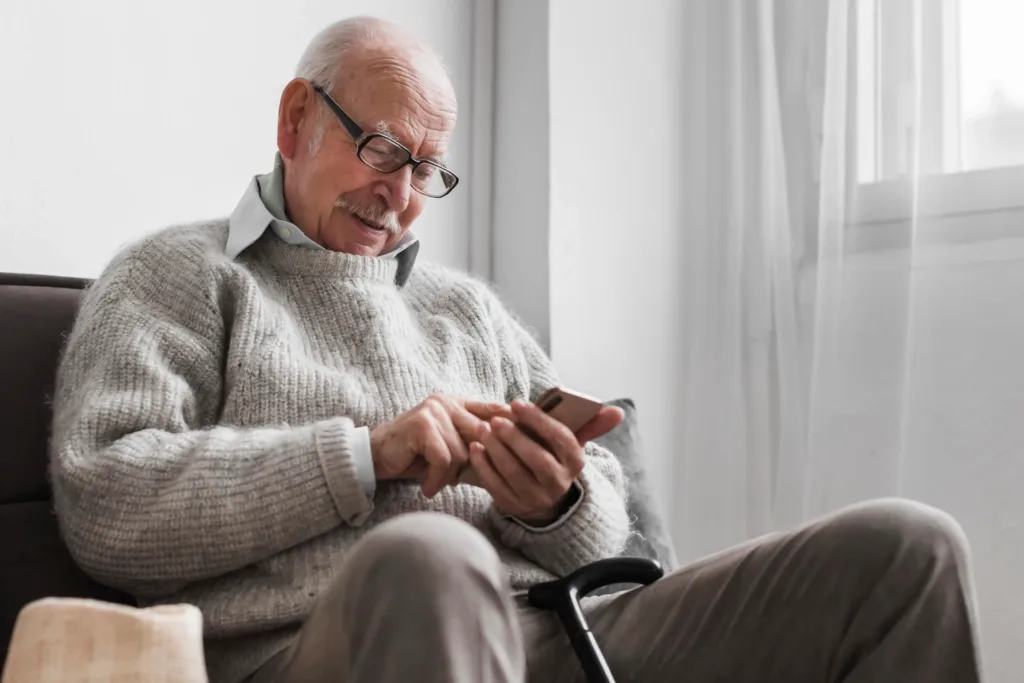
Additionally, reduces the stigma associated with mental health monitoring by seamlessly integrating emotional assessments into routine care. With approximately 45% of patients preferring remote interactions for sensitive topics, RPM ensures a safe and private platform for mood tracking.
Benefits of Mood Monitoring Through RPM
Mood tracking via RPM provides actionable insights into patients’ emotional health, leading to tailored medical interventions. This enhances outcomes. Doctors gain real-time access to patients’ mood trends, enabling early identification of depressive or anxious episodes. This reduces emergency visits by 25%, as reported by the Journal of Telemedicine and Telecare. In addition, regular monitoring helps identify triggers or patterns, such as stress spikes during workweeks, allowing for personalized guidance.
Furthermore, RPM supports chronic condition management. Patients with diabetes, for instance, benefit from consistent monitoring of stress levels, critical for maintaining glucose stability. Incorporating mood tracking improves medication adherence, with studies indicating up to a 40% increase in patients who feel supported emotionally.
How RPM Enhances Patient-Doctor Communication
Effective doctor-patient communication improves when RPM is used to track mood, fostering trust and proactive care. Surveys reveal that 80% of patients feel more engaged in their treatment when emotional health is monitored. Mood tracking encourages open dialogue, offering doctors an opportunity to address concerns patients may not express during in-person visits. This approach promotes timely adjustments to care plans, ensuring alignment with patients’ needs.
Moreover, solutions encourage patients to report their mood regularly, building a comprehensive emotional profile. This leads to better long-term health management for vulnerable populations, particularly among elderly patients. For example, mood-related RPM reduces isolation in seniors by 30%, as reported by the National Institute on Aging.
Tackling Challenges with Mood Monitoring
Integrating RPM for mood tracking addresses key challenges in healthcare, such as undetected emotional struggles and delayed responses. For instance, 60% of individuals with mental health conditions don’t seek timely treatment. Bridges this gap by alerting physicians about potential concerns, ensuring early intervention. Real-time alerts provide actionable data, enabling care teams to prioritize high-risk patients. Additionally, care teams can use RPM data to support family members in understanding a patient’s emotional state, enhancing overall caregiving efforts. By providing actionable insights, RPM helps healthcare institutions reduce mental health-related readmissions by 20%, according to a study by the American Psychiatric Association.
Why Esvyda is the Ideal Solution
Esvyda offers a survey engine allowing patients to report their mood, alerting doctors to irregularities and enabling timely follow-ups. This tool ensures doctors can monitor key signs, such as anxiety or depressive episodes, while maintaining an ongoing connection with their patients. When irregularities are detected, Esvyda facilitates immediate action, whether scheduling controls, notifying families, or initiating telehealth consultations.
Additionally, Esvyda integrates mood tracking with vital sign monitoring, creating a comprehensive health profile for each patient. This holistic approach reduces care gaps and ensures sustainable long-term health outcomes. With its user-friendly interface and advanced analytics, Esvyda is the trusted partner for the future of health innovation.
Download this artice
RPM for Monitoring Your Patients’ Mood
Remote Patient Monitoring (RPM) has become essential for tracking patients’ health beyond physical parameters, addressing their emotional well-being. This ensures holistic care.
Click Here

8 Responses
I’m not comfortable sharing my mood swings with a device. How is this different from social media tracking?
Vigga, thanks for your question; RPM is supported by medical and care staff that uses clinically validated tools. Also, with HIPAA protection, you never share/sell your information like social data. Your care team alone sees trends to personalize treatment.
As a psychiatrist, I barely have time for charts. Won’t mood RPM just flood me with alerts?
Dr. Dwayne; Our platform can be set up for reporting only clinically significant shifts. Integrates directly into your EHR with severity prioritization.
My wife’s depression comes and goes. How will a gadget help more than me watching her?
Zeliha, RPM devices can detect subtle patterns (sleep, speech changes) before crises occur, with a clinician backup early detection can make a huge difference.
I already track my mood in 3 apps. Why add another?
Jurou, thanks for your appreciation; Unlike consumer apps, our RPM ties your data to real treatment plans (med adjustments, therapy prompts) and insurance-covered care. Compare features: https://esvyda.com/esvyda-mobile-app/