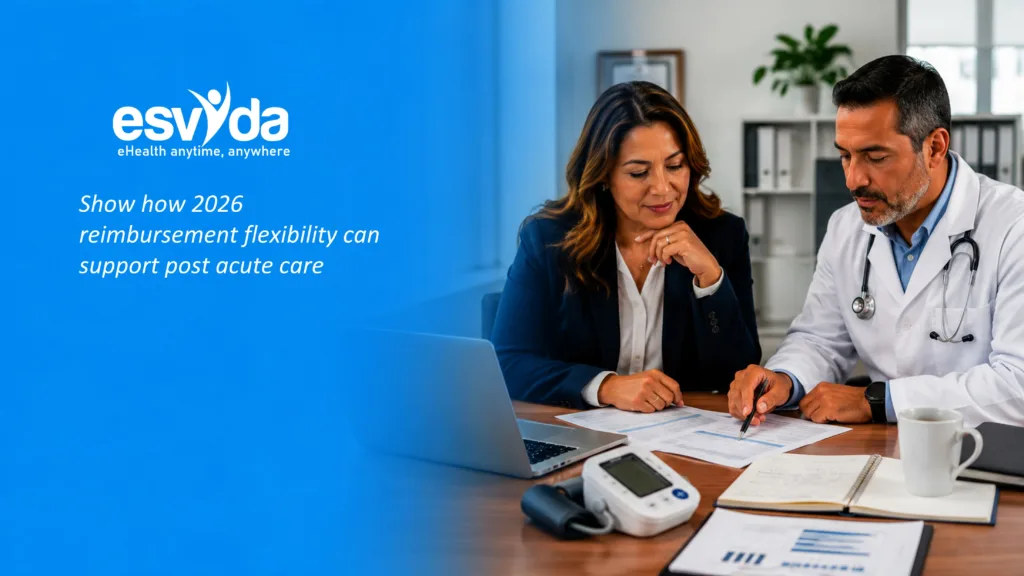
The 2026 RPM reimbursement changes create new opportunities for organizations managing patients beyond traditional visit schedules. CPT 99445 addresses device supply and data transmission when monitoring occurs for two through fifteen days. CPT 99470 addresses treatment management when monthly clinical time falls between ten and nineteen minutes. These changes do not create disease specific reimbursement pathways. Instead, they provide greater flexibility for eligible RPM services across appropriate clinical scenarios. Consequently, healthcare organizations can evaluate monitoring strategies according to patient needs, expected duration, and clinical intensity.
This approach may support programs where continuous monitoring is unnecessary or where patient participation naturally varies. However, organizations must still satisfy applicable Medicare coverage, device, documentation, communication, and medical necessity requirements. Therefore, the strategic opportunity lies in matching appropriate monitoring intensity with legitimate clinical needs. The Centers for Medicare & Medicaid Services (CMS) and the Federal Register provide the official framework for these updates.
RPM Clinical Use Cases for Post Acute Care
Post acute care represents one potential setting for shorter monitoring periods. Patients returning home after hospitalization or procedures may require closer observation during an initial recovery period. However, organizations should distinguish RPM from Transitional Care Management and other separately reimbursed services. Each program has independent requirements, and the same work cannot simply be counted twice.

CMS guidance therefore remains essential when designing combined care pathways. BJC HealthCare and Washington University evaluated post-hospitalization RPM for heart failure and COPD patients. The study found potential outcome improvements, though its design limits causal conclusions. Within compliant programs, shorter RPM periods can therefore complement post acute workflows when physiological monitoring remains clinically appropriate.
Use Cases for Medication Management
Medication titration creates another potential application for flexible RPM programs. Patients adjusting therapies may require temporary monitoring of weight, blood pressure, glucose, or other physiological parameters. GLP-1 based weight management programs provide one emerging example where connected measurements can support ongoing clinical oversight. A 2025 American Diabetes Association study evaluated a virtual GLP-1 behavioral program using connected scales and blood pressure cuffs. Participants experienced significant weight and blood pressure improvements during the six month intervention. These findings do not establish a universal RPM billing pathway for GLP-1 therapy. Instead, they illustrate how connected physiological data can support medication management. Organizations should determine whether each patient, device, service, and documentation pattern satisfies current RPM requirements before billing.
RPM Clinical Use Cases for Chronic Disease Maintenance
Long term chronic disease management remains another important RPM application. Hypertension, heart failure, and diabetes can require ongoing observation beyond scheduled encounters. However, not every patient requires identical monitoring intensity throughout treatment. Flexible reimbursement supports organizations designing monitoring pathways based on clinical need and patient participation. Recent evidence supports potential benefits across several chronic conditions, including hypertension and heart failure, although effectiveness varies by program design and patient population. A large Michigan Medicine program reported a 59% reduction in hospital admissions following RPM enrollment across several diagnoses.
Use Cases for COPD and Asthma
Respiratory conditions demonstrate another area where intermittent monitoring may complement chronic care strategies. COPD and asthma patients can experience changing symptoms, treatment responses, and exacerbation risks that require closer observation during specific periods. RPM can capture oxygen saturation, respiratory rate, symptoms, and respiratory flow when devices are available. A 2025 systematic review found potential benefits from remote monitoring across several respiratory populations, while also identifying limitations in the evidence base.
Rural Health Hub

Another systematic review examined RPM and machine learning approaches for COPD exacerbations, including physiological and functional measurements. These findings support careful use of remote monitoring while reinforcing the importance of clinical protocols, appropriate patient selection, and documented escalation pathways.
Cases Create Financial Opportunities
Clinical flexibility can create financial value when organizations build compliant programs around legitimate patient needs. Shorter monitoring periods can reduce clinically appropriate patients excluded by previous thresholds. Meanwhile, shorter treatment management periods can recognize eligible clinical work that previously remained below the twenty minute threshold. However, reimbursement should never become the primary reason for monitoring a patient. Strong programs begin with medical necessity, appropriate patient selection, documented workflows, and measurable clinical objectives.
Organizations can then evaluate device utilization, staff time, documentation requirements, and reimbursement performance together. Consequently, the new codes may improve financial predictability while supporting more adaptable RPM operations. The opportunity is not simply generating additional claims. It is creating sustainable programs where clinical value and financial discipline reinforce each other. The Federal Register provides the official documentation for these reimbursement changes.
How Esvyda Supports Scalable RPM Programs
Turning these clinical opportunities into sustainable programs requires infrastructure that can adapt to different monitoring durations and patient populations. Esvyda combines RPM, Chronic Care Management, Population Health Management, analytics, EHR integration, and automated workflows within one connected platform. This infrastructure helps organizations manage different clinical pathways while maintaining consistent operational processes. Automated alerts can help teams prioritize patients requiring attention, while analytics provide visibility across monitored populations. Additionally, automated claims generation supports reimbursement workflows for value based programs across short, medium, and long term strategies. Esvyda’s bilingual, secure, and compliant platform also supports diverse patient populations while strengthening care coordination.
Download this artice
RPM Clinical Use Cases That Drive 2026 Value
RPM Clinical Use Cases show how 2026 reimbursement flexibility can support post acute care, medication management, chronic conditions. Esvyda combines RPM, Chronic Care Management, Population Health Management, analytics, EHR integration, and automated workflows within one connected platform.
Click Here