
Value-Based RPM Drives Outcomes and Revenue

Value-based performance frameworks are replacing traditional volume-driven models across healthcare systems. Providers are now evaluated using clinical outcomes, patient experience, and cost efficiency metrics. This shift is redefining how care is delivered and measured. However, many RPM programs remain focused only on monitoring vital signs. As a result, they fail to impact broader performance indicators. […]
Remote Patient Monitoring for Every Provider Model
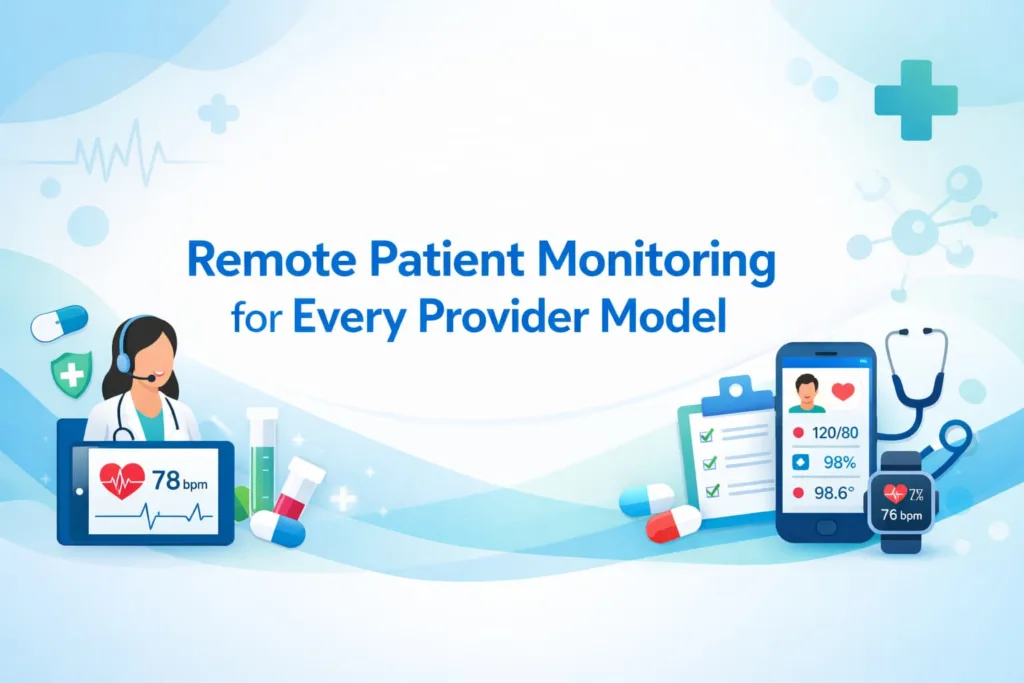
Remote Patient Monitoring is now essential infrastructure for modern healthcare organizations. The California Telehealth Resource Center provides clear guidance through its article:“Remote Patient Monitoring That Sticks: Turning RPM into a Sustainable Clinical Service Line.” The CTRC framework highlights that RPM programs must function as structured clinical services. Many organizations still approach RPM as isolated technology […]
CTRC Standards for Remote Patient Monitoring Provider
According to the California Telehealth Resource Center CTRC, Remote Patient Monitoring now serves as essential infrastructure for healthcare organizations. Their article “Remote Patient Monitoring That Sticks: Turning RPM into a Sustainable Clinical Service Line” provides definitive guidance on how to build sustainable RPM programs. According to CTRC guidance, healthcare organizations must design RPM programs as […]
RPM for Solo Practices: From Pressure to Growth

Solo medical practices remain a critical part of the United States healthcare system. However, many operate under intense financial pressure. Small clinics often work with very narrow margins while facing increasing operational costs. Administrative expenses, staffing challenges, and payer complexity create constant financial strain. According to the American Medical Association, the share of physicians working […]
FQHC RPM: Build a Compliant Program & Grows Revenue
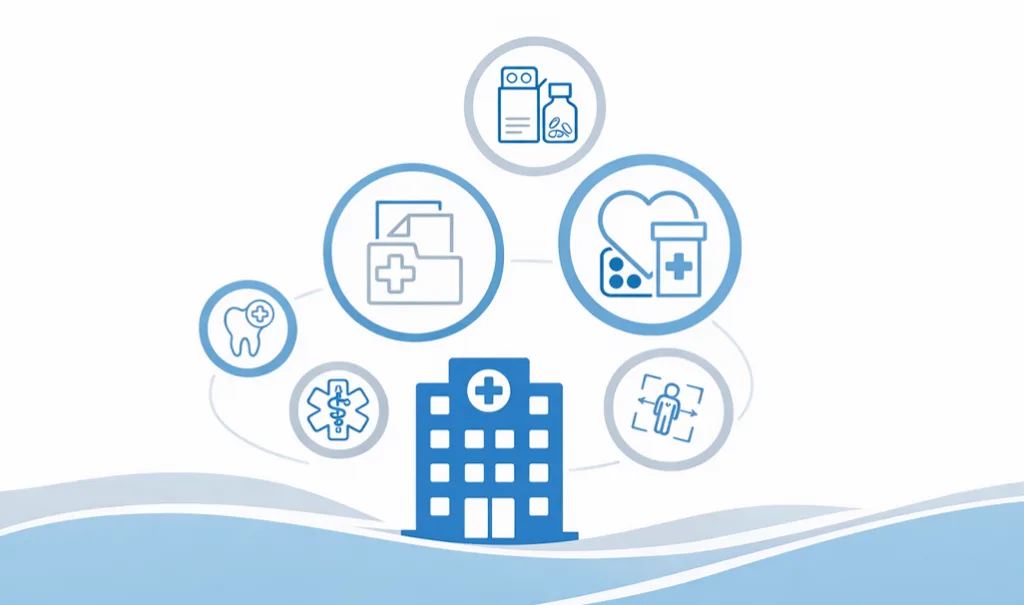
This guide provides FQHC leaders with clear steps to build a compliant RPM program. You will learn how to capture new revenue streams confidently while serving your community. The path involves understanding specific Centers for Medicare & Medicaid Services (CMS) rules. It also requires implementing structured operational workflows. A well-designed program turns regulatory compliance into […]
2026 RPM Advantage: Revenue Growth Without Burnout

2026 RPM has truly reached a critical turning point this year. For a long time, strict rules significantly hindered widespread adoption. Specifically, the old “16-day rule” acted as a major barrier to entry. Consequently, clinics needed 16 days of data monthly just to bill. This requirement created substantial financial and operational risk. As a result, […]
RPM: The Standard of Care for 2026

Healthcare institutions face a critical need for scalable, efficient care models. Remote Patient Monitoring provides a proven solution for financial and operational growth. A 2025 Health Affairs study shows primary care practices using RPM increased their Medicare revenue by 20%. This growth comes from both monitoring reimbursements and generated follow-up visits. Consequently, these practices expanded their capacity without […]
RPM: A Path to Accessible, Preventive Care
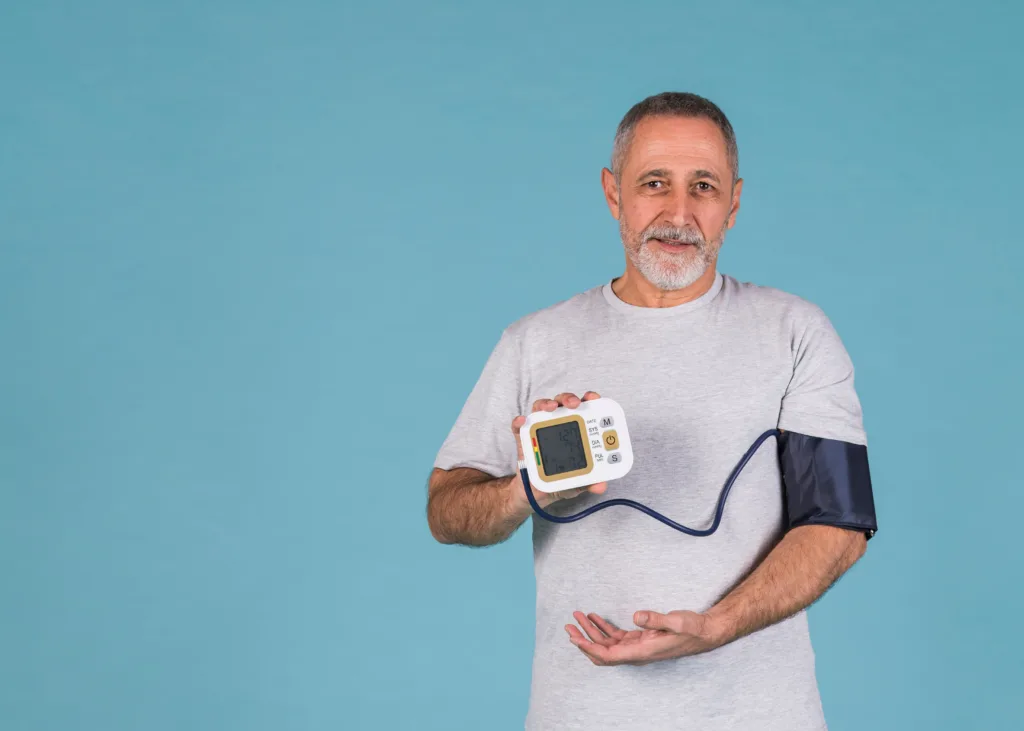
Remote Patient Monitoring (RPM) is fundamentally reshaping chronic care by enabling continuous visibility into a patient’s health between clinical visits. This shift is leading healthcare leaders to adopt RPM to reduce preventable complications and improve long term outcomes. Continuous data streams allow clinicians to identify early signs of deterioration and adjust treatment plans proactively, often […]
Universal Health Coverage Challenges in the U.S.

Universal Health Coverage requires that every person receives needed care without financial barriers. The concept includes prevention, chronic care, and equitable access across populations. In the United States, this ideal remains difficult to achieve. Institutions navigate complex financing models, uneven access, and a growing burden of chronic disease. Many individuals skip preventive visits due to […]
RPM As A Holistic Diabetes Model

RPM brings insight far beyond just glucose readings. Clinics can also track blood pressure, weight, and adherence patterns via connected devices. Such enriched data gives clinicians a fuller picture of patient health trends. With continuous monitoring, providers can detect early deviations, not just react when levels are alarming. These interventions become more personalized, timely, and […]