
RPM After Cancer: Protecting Long-Term Health

Cancer survivors often face long-term health challenges post-treatment, including chronic conditions like hypertension, diabetes, and heart disease. Remote Patient Monitoring (RPM) offers a proactive approach to manage these conditions, providing real-time data to healthcare providers. This continuous monitoring enables early detection of complications, timely interventions, and personalized care plans, ultimately improving patient outcomes and quality […]
EHR Integration: The Cornerstone of Effective RPM

Electronic Health Record (EHR) integration is essential for the success of Remote Patient Monitoring (RPM) programs. Without seamless integration, healthcare providers face fragmented data, which in turn leads to inefficiencies and potential errors in patient care. In fact, a study published in the Journal of Medical Internet Research highlights that poor EHR integration can hinder […]
RPM During Hypertension Awareness Month

Hypertension affects nearly half of U.S. adults. However, only about 22.5% have their blood pressure under control. This condition greatly increases the risk of heart disease and stroke, which are leading causes of death in the U.S. In 2022, high blood pressure was the primary or contributing cause of 685,875 deaths. The economic impact is […]
RPM: Key Factors for Choosing a Provider

1. RPM: Boosting Revenue Through Strategic Implementation Remote Patient Monitoring (RPM) offers healthcare institutions a clear pathway to increase revenue by enhancing both patient care and operational efficiency. By enabling continuous monitoring, significantly reduces hospital readmissions and emergency visits, resulting in substantial cost savings. In addition, many programs qualify for reimbursement under various healthcare plans, […]
RPM Mitigating Stress to Reduce Future Costs

April is Stress Awareness Month. It’s a time for healthcare institutions to assess how prepared they are to manage stress in patients. Chronic stress worsens conditions like hypertension, heart disease, and diabetes. Unfortunately, symptoms often remain untreated until emergencies occur. This leads to high costs and poor patient experiences. Remote Patient Monitoring (RPM) changes this […]
Wearable Technology: Personalizing Healthcare
Wearable technology has transformed healthcare by enabling continuous monitoring of individual health metrics. As a result, this advancement allows for more personalized and effective treatment plans. Devices like smartwatches and fitness trackers collect real-time data on heart rate, sleep, and activity levels. Consequently, this information helps providers tailor medical interventions to each patient’s needs. According […]
Care with Remote Programs In March Nutrition Month

March marks Nutrition Month, emphasizing the importance of nutrition in overall health. Since chronic conditions like diabetes, hypertension, and obesity require continuous management, maintaining a balanced diet is essential. However, many patients struggle with dietary adherence, which can lead to serious complications. Fortunately, remote care programs offer an innovative solution. By enabling healthcare providers to […]
Digital Heart Health: Innovative Tools Prevention

Digital heart health technologies are reshaping how cardiovascular conditions are prevented and managed globally. February marks the American Heart Month and the National Wear Red Day, spotlighting heart health awareness. According to the CDC, cardiovascular diseases cause one in every five deaths in the United States, costing approximately $229 billion annually . Early prevention through digital […]
Predictive Analytics in Cardiovascular Disease

Understanding Predictive Analytics in Cardiovascular Health Predictive analytics utilizes data analysis, statistical algorithms, and machine learning techniques to identify the likelihood of future outcomes based on historical data. In cardiovascular health, this approach analyzes patient information, such as age, gender, blood pressure, cholesterol levels, and lifestyle factors to predict the risk of heart diseases. By […]
Wearable Health Devices: A Revolution in RPM
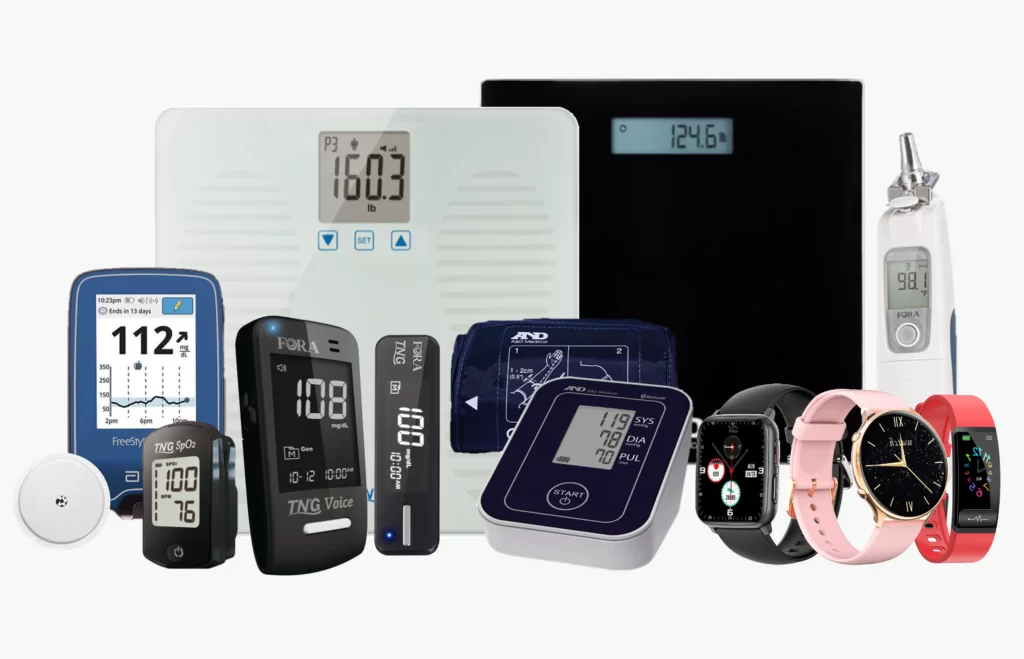
In particular, patients use these devices, including those offered by Esvyda for health, to track vital metrics in real-time, enhancing their care experience. According to the World Economic Forum, the wearable market’s revenue exceeded $81 billion in 2023, a clear sign of the growing adoption. For example, Esvyda’s devices include Bluetooth-enabled blood pressure monitors and […]