
Hypertension affects nearly half of U.S. adults. However, only about 22.5% have their blood pressure under control. This condition greatly increases the risk of heart disease and stroke, which are leading causes of death in the U.S. In 2022, high blood pressure was the primary or contributing cause of 685,875 deaths. The economic impact is also significant. Between 2003 and 2006, hospitalizations related to hypertension cost $88.74 billion annually. These costs made up 15.1% of total hospital expenses each year, all of this without RPM.
RPM: Enhancing Hypertension Control
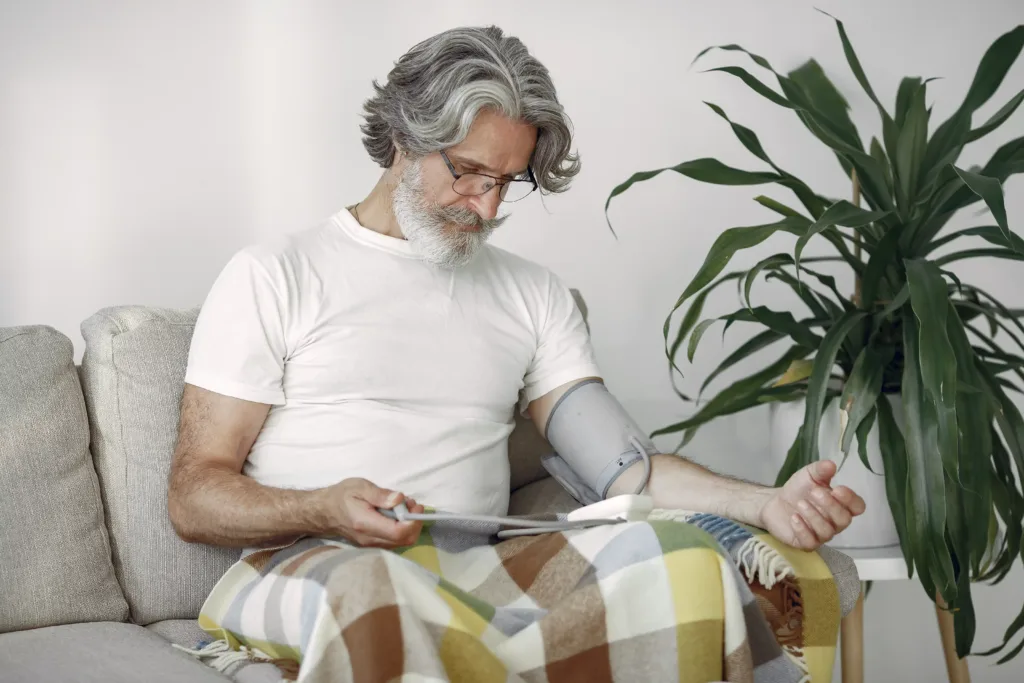
Remote Patient Monitoring (RPM) has emerged as a valuable tool in managing hypertension. Studies have shown that RPM can improve blood pressure control by enabling continuous monitoring and timely interventions. For instance, a study by Mass General Brigham found significant improvements in blood pressure and cholesterol levels among patients using remote monitoring programs. RPM facilitates medication adherence, lifestyle modifications, and early detection of potential issues, reducing the need for frequent in-person visits. This approach not only improves patient outcomes but also alleviates the burden on healthcare systems.
Benefits for Healthcare Institutions and Patients
Implementing RPM brings several benefits for both healthcare providers and patients. For healthcare institutions, RPM increases efficiency and reduces hospital readmissions. In addition, it allows for better resource allocation. Patients also enjoy personalized care, improved engagement, and the convenience of managing their condition from home. Moreover, RPM programs have proven to be cost-effective. For instance, Scotland’s initiative to provide blood pressure monitors to patients freed up around 400,000 GP appointments. As a result, the NHS saved millions
Empowers long-term hypertension management
Remote monitoring empowers patients and providers to shift hypertension care from reactive crisis control toward sustained, proactive disease management every single day. This transition allows earlier detection of complications, promotes patient adherence to prescribed plans, and minimizes the burden on overwhelmed clinical settings nationwide.
According to a study published in the journal Hypertension, remote interventions can reduce systolic blood pressure by an average of 5 to 10 mmHg. This improvement significantly lowers risks for cardiovascular events such as stroke, heart attack, and chronic kidney disease linked to uncontrolled hypertension. Remote monitoring devices also increase patient engagement by providing real-time feedback and insights, helping individuals remain more accountable for their progress.
Esvyda: A Comprehensive RPM Solution
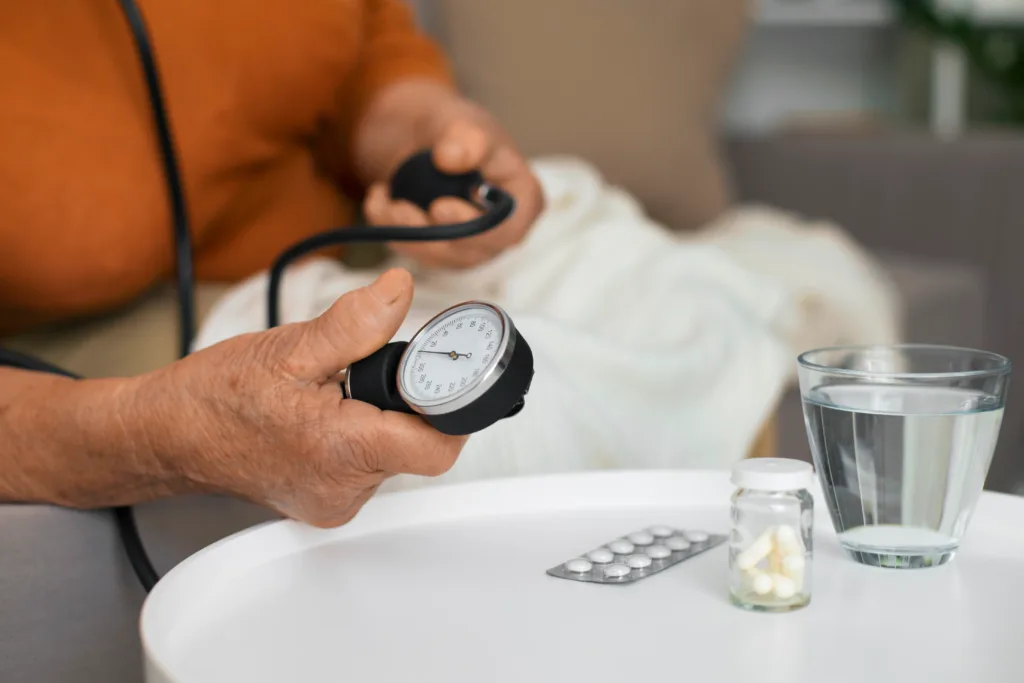
Esvyda offers a robust RPM platform designed to support patients with chronic conditions, including hypertension. Our bilingual solution enables continuous monitoring, real-time data analysis, and effective communication between patients and providers. By integrating with existing Electronic Health Records (EHR) systems, Esvyda ensures seamless data flow and enhances care coordination. Our platform supports healthcare providers in maximizing revenue while improving clinical outcomes, patient satisfaction, and operational efficiency. Esvyda’s commitment to compliance with HIPAA and FDA regulations guarantees data security and patient privacy.
Download this artice
RPM During Hypertension Awareness Month!
Hypertension affects nearly half of U.S. adults. However, only about 22.5% have their blood pressure under control.
Esvyda offers a robust RPM platform designed to support patients with chronic conditions, including hypertension.
4 Responses
Just found out I have high BP during a routine checkup. My doc mentioned RPM – is this really necessary if I feel fine?
Gertraude; Early monitoring prevents silent damage. 1 in 3 adults with ‘normal’ BP actually have spikes putting organs at risk. Our RPM helps to catch these, no symptoms needed.
At 72, I check my BP at the pharmacy. Why pay for fancy monitoring when the machine at Walmart works fine?
Livia, it is great that you are committed to your health monitoring. If your insurance covers RPM, you can get one device for free for you to monitor your blood pressure from home. Ask your health care provider about enrolling in Esvyda’s RPM programs.