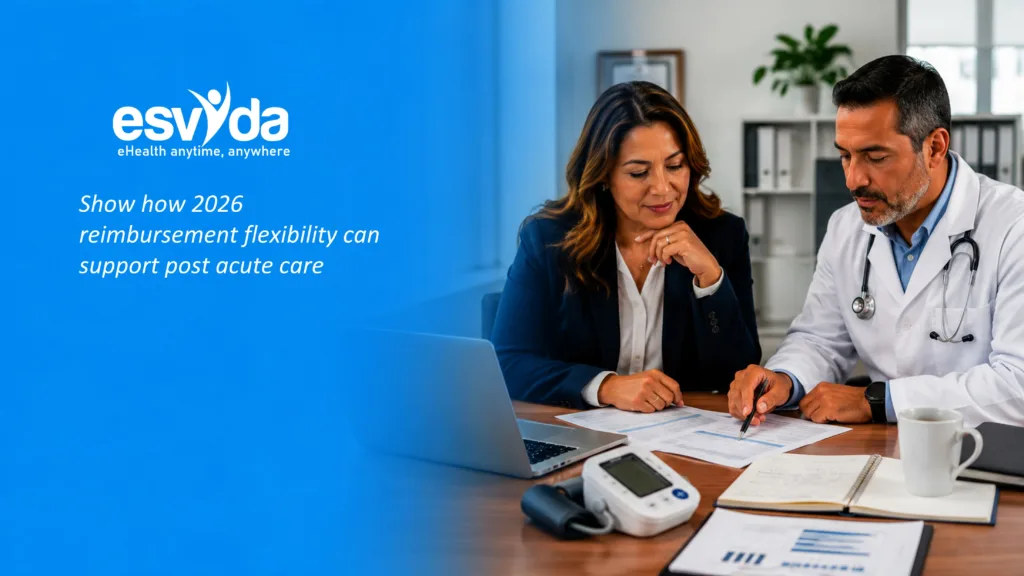
Remote patient monitoring (RPM) has become crucial in the fight against COVID-19. The pandemic has stressed healthcare systems worldwide, but RPM offers an effective solution. It allows healthcare providers to monitor and manage COVID-19 patients in real-time. This helps prevent complications, reduces hospitalizations, and improves outcomes.
The COVID-19 pandemic has disrupted healthcare systems globally. Hospitals and healthcare facilities have faced unprecedented demand. Consequently, healthcare providers are stretched thin. The World Health Organization (WHO) states, “The COVID-19 pandemic represents a global health crisis that requires swift and effective public health responses.”

RPM addresses this challenge by enabling patients to receive care from home. This reduces the burden on hospitals and facilities. RPM involves using advanced telemedicine technology, such as mobile apps, wearables, and remote sensors. These tools allow seamless monitoring of patients’ health from a distance.
Benefits of RPM for COVID-19 patients:
- RPM can help track their vital signs, such as temperature, blood pressure, and oxygen levels.
- Monitors symptoms such as coughing, shortness of breath, and fatigue. By continuously monitoring these parameters, healthcare providers can detect any changes in the patient's condition and intervene before complications arise.
- Helps COVID-19 patients manage their recovery. After being discharged from the hospital, many COVID-19 patients still require ongoing medical care.
- Provides patients with access to healthcare providers who can monitor their progress and adjust their treatment plans accordingly. This can help prevent readmissions to the hospital, reduce healthcare costs, and improve patient outcomes.
- RPM can improve patient engagement and satisfaction: Patients who participate in RPM programs report higher satisfaction with their care. They also feel more in control of their health and are more likely to adhere to their treatment plans.
- RPM programs can also provide patients with educational resources, such as videos, podcasts, and articles, to help them better understand their condition and manage their recovery.
- RPM empowers medical professionals to deliver timely interventions, proactive care, and personalized treatment plans, ultimately enhancing the overall quality of patient care while promoting convenience and accessibility in the healthcare landscape.
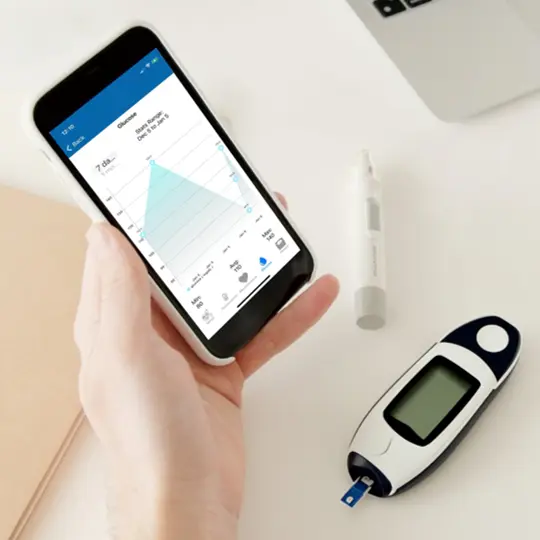
A better and efficient population management
Furthermore, RPM can reach patients in remote or underserved areas. The pandemic has disproportionately affected low-income and minority populations, who often lack access to quality healthcare. RPM helps bridge this gap by providing these patients with necessary medical care.
Additionally, RPM contributes to population health management. The data collected through RPM systems is extensive. Analyzing this data helps identify high-risk groups, track disease trends, and inform public health strategies. By monitoring many COVID-19 patients, healthcare authorities can better understand the virus, its impact, and the effectiveness of interventions. This knowledge supports policy-making and resource allocation.
In summary, RPM is essential in combating COVID-19. It helps healthcare providers monitor patients in real-time, reduces hospitalizations, prevents complications, and improves outcomes. Moreover, RPM offers patients access to quality care from home, enhancing their satisfaction and engagement.