






Telemedicine May Reduce The Time To See A Doctor?

Telemedicine is a valuable tool that optimizes both the time and costs associated with medical consultations for doctors and patients alike.

Time consuming, booking a face-to-face consultation

Why Telemedicine May Reduce The Time To See A Doctor?

According to a 2017 Merritt Hawkins survey, the average wait time for a physician appointment is 24.1 days. From January 9, 2017, to February 13, 2017, research associates at Merritt Hawkins called physician offices in 15 major and 15 mid-sized metropolitan areas to schedule new patient appointments. This study focused on five specialties: cardiology, dermatology, obstetrics-gynecology, orthopedic surgery, and family medicine. Physicians were selected randomly from online listings like the Yellow Pages and Healthgrades.

Key Finding from the study about the telemedicine

The study revealed that average wait times for new patient appointments have increased significantly. Specifically, this is evident for patients who have not visited the practice for over three years. In large metro markets, the average wait time has risen to 24.1 days, marking a 30% increase since 2014.

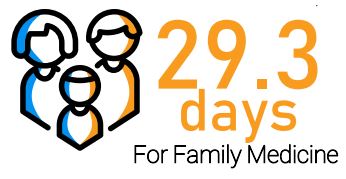
Moreover, wait times are generally longer in mid-sized metro markets compared to large ones. In fact, the average wait time for new patient appointments in the 15 mid-sized markets is 32 days—32.8% longer than in large metro markets. For instance, in large markets, the average wait time to see a family medicine physician is 29 days, up 50% from 2014. This time ranges from a high of 109 days in Boston to a low of 8 days in Minneapolis.

About the time to see an Specialitst on Telemedicine

Average Appointment Wait Times, Major Markets in 2017 was: 

Reduce Time Consultation
Reduce TIme Consultation
Reduce Time Consultation

Appointment Cancellation for Wait Times

Research from a Health Records vendor indicates that longer wait times lead to higher cancellation rates. For example, 12% of patients scheduled to see the doctor the next day canceled their appointments. Meanwhile, 22% of patients who had to wait three weeks canceled, and 32% of those waiting four weeks also canceled.

Additionally, no-shows have become a persistent issue in healthcare, leading to significant costs. Some studies link missed appointments with health complications, including increased early death rates due to missed general practitioner visits.

How Telemedicine May Help to reduce the time to see a Doctor

Telemedicine can reduce the time required to see a doctor. By integrating telemedicine, physicians can save on transportation costs and time. For instance, doctors with part-time jobs at various practices can use telemedicine to see patients online. Furthermore, telemedicine enables independent physicians and specialists to consult with patients during weekends or after hours, either from home (when reimbursed by health plans) or their offices. This approach improves patient access to care.

About Esvyda Solution for reduce the time consultation!

Esvyda works closely with medical practices to implement effective telemedicine and remote patient monitoring strategies. They help set short-, medium-, and long-term goals to enhance healthcare delivery and minimize appointment wait times.

Leave a comment!

Related posts

RPM and CCM Drive Sustainable Practice Growth
Articles

RPM and CCM Drive Sustainable…

15 May, 2026

Healthcare practices face growing operational pressure across the United States. Rising labor costs, administrative complexity, and workforce shortages continue affecting...

Read More >>
Value-Based RPM Drives Outcomes and Revenue
Articles

Value-Based RPM Drives Outcomes and…

27 April, 2026

Value-based performance frameworks are replacing traditional volume-driven models across healthcare systems. Providers are now evaluated using clinical outcomes, patient experience,...

Read More >>
Remote Patient Monitoring That Meets CTRC Standards
Articles

CTRC Standards y sostenibilidad en…

15 April, 2026

CTRC Standards posicionan el monitoreo remoto como infraestructura esencial dentro de organizaciones sanitarias modernas que buscan sostenibilidad operativa. El California...

Read More >>

​🎉​

Thanks for requesting a demo!

We’ll get in touch soon.